Ask FAI
before you file.
Ask it the way you would ask a senior in chambers. You get a plain answer first, then the exact section, the judgments that help you and the ones that do not, and where each one came from. When you are ready, FAI drafts the petition too.
Free forever, 10 questions and 10 drafts a month. Already a member? Sign in
What he reads
Nothing from memory.
Everything from the record.
FAI answers only from an indexed corpus: the statute books, the judgments the courts publish themselves, and the reported headnote archive. If a section or a judgment is not in the record, he says so instead of inventing an authority.
Every superior court
of Pakistan.
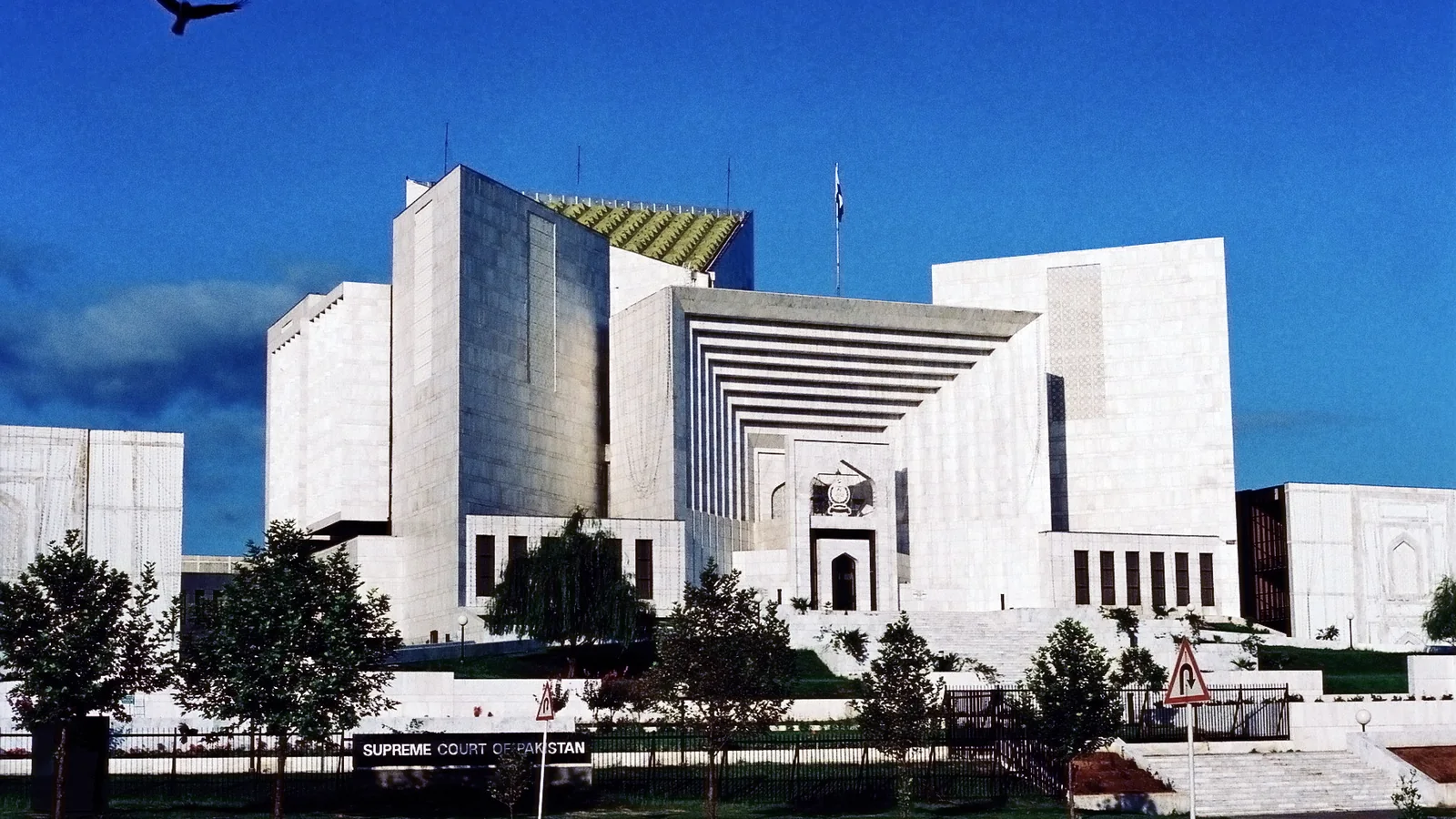
Judgments from the Supreme Court, every High Court and the other superior courts, from 1947 onward. On the Professional and Chambers plans you can search the Supreme Court of India too: persuasive in Pakistan, never binding.
The High Courts





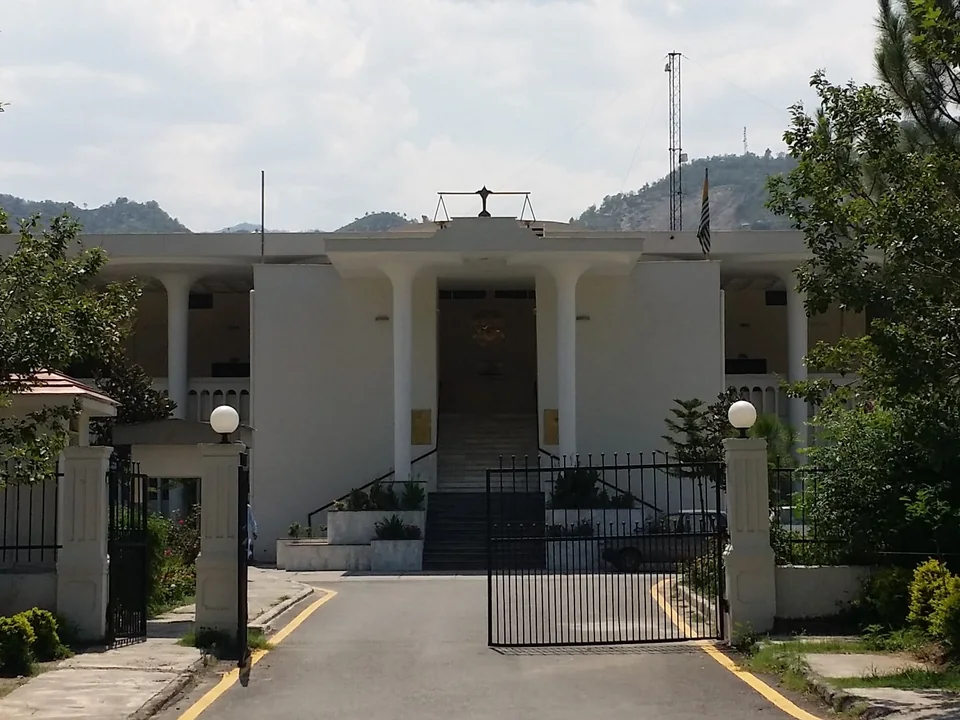
And the other courts
- Federal Constitutional Court
- Federal Shariat Court
- Supreme Court of AJK
- Gilgit-Baltistan Chief Court
- Supreme Court of IndiaPersuasive only, on Professional and Chambers
Photographs via Wikimedia Commons: Supreme Court of Pakistan by Usman.pg (CC BY-SA 3.0), Lahore High Court by MariyamAftab (CC BY-SA 4.0), Sindh High Court by A.Savin (Free Art License), Balochistan High Court by Sana Shams (CC BY-SA 3.0). Peshawar, Islamabad and AJK High Court photographs from the courts' own websites (peshawarhighcourt.gov.pk, ihc.gov.pk, ajkhighcourt.gok.pk). All cropped and toned. FAI is independent and is not affiliated with any court.


The four-part answer
Every answer, in the shape
a senior expects.
The same four parts in the same order, every time. Findings first, the exact statute text, the precedents on both sides, then where each came from.
Three modes
Discuss it. Research it.
Draft it.
One question box. FAI reads what you typed and switches to the right mode or suggests it. A Court control narrows the search when you already know the forum.
Two answers, not one
A quick answer first.
A verified one beneath it.
You are never staring at a spinner. A fast model gives you an unverified read within seconds, and the grounded answer replaces it once the record has been checked.
confirmed against the recordDrafting
70+ templates, filled from
your facts, edited in place.
Choose the document, or just describe what you need and let FAI pick it. Answer the questions it asks, and FAI fills a lawyer-reviewed skeleton with your facts and the authorities it found. Edit the draft inside the app, then download it as PDF or Word on any paid plan.
Already have a draft? Improve it.
Paste or upload your own plaint, reply, notice or clause. FAI edits it paragraph by paragraph and shows every change, struck through and highlighted, for you to accept or reject. Facts, names, dates, amounts, citations and qualifiers stay locked unless you unlock them.
- Improve language
- Fixes errors and rewrites only what is unclear or padded.
- Proofread
- Spelling, grammar and punctuation, nothing else.
- Humanize
- Takes out the AI filler so it reads as an advocate wrote it.
- Professional rewrite
- Polished legal English. Sentences may be restructured.
- Strengthen with authorities
- Proposes verified authorities, each one for you to accept.
- Complete the draft
- Proposes the missing parts, each one for you to accept.
Citations are gated. A draft may cite only sections and judgments that exist in the record. Anything the engine cannot verify is left out, not made up.
Prints on the FAI Legal Document System sheet. Court-ready layout, cause title, prayer and verification where the template calls for them.
Built for the working day
In the browser, on the phone,
in your own words.
Ask the way you would ask a colleague. Legal terms, statute names and citations come back exactly as the record has them.
Push to talk with the browser's own speech recognition. No audio is stored or uploaded.
The full research and drafting app runs in the browser, on desktop and on the phone.
Free on any device. Student and Professional on two, Chamber on four.
Plans
Free to start. Paid plans
from Rs. 825 a month.
Free is permanent, not a trial. Pay for a month, a quarter or a year: one payment covers the whole period, with no automatic renewal.
40% off list prices, launch pricing. Every price shown is the discounted one.
Refer a colleague. They save 5%, you earn FAI Coins.
Questions
What advocates ask before they start.
What is FAI Legal Research Assistant?
FAI Legal Research Assistant is an AI legal research and drafting tool built specifically for Pakistani law. It searches 19,771 indexed statute sections across 240 acts and ordinances together with verified Supreme Court and High Court precedents, then returns a structured answer: the legal findings, the statutes that apply, the judgments on both sides, and the sources used. It is made by FAI Productions and runs in the browser at failegal.site.
Which courts and statutes does it cover?
Precedents come from five official court sources: the Supreme Court of Pakistan, the Lahore High Court, the Peshawar High Court, the Islamabad High Court and the Federal Shariat Court, mirrored from the courts' own published records, 23,343 judgments in full, on top of 188,602 reported judgments in the headnote archive. The statutory index covers 19,771 sections across 240 acts, including the Pakistan Penal Code, the Criminal Procedure Code, the Civil Procedure Code, the Qanun-e-Shahadat Order, the Contract Act, the Companies Act, the Constitution and the special acts. The reported archive also covers the Sindh and Balochistan High Courts, the courts of AJK and Gilgit-Baltistan and the tribunals. On the Professional and Chambers plans, 29,261 judgments of the Supreme Court of India are searchable too; they are persuasive in Pakistan, never binding.
How is this different from using ChatGPT for legal research?
A general chatbot answers Pakistani law questions from memory, which is where invented citations come from. FAI answers from an indexed corpus: the statutory text it quotes is the exact section text retrieved from the index rather than a paraphrase, and a citation is marked verified only when the judgment was actually retrieved from the court source. Where it cannot confirm a citation, it says so instead of producing one. FAI is not a model trained on Pakistani law: it retrieves statute text and judgments from its index when you ask, and a language model writes the answer from what was retrieved.
Can it draft bail applications and writ petitions?
Yes. Draft mode carries 70+ templates: pre-arrest and post-arrest bail, writ petitions, plaints and written statements, suits, appeals and revisions, family matters, contracts, deeds, notices and more. You answer the questions the template asks, FAI fills a lawyer-reviewed skeleton with your facts and the authorities it found, and you edit the document inside the app. Every citation in a draft is gated against the record. The output is material for an advocate to settle and file, not a substitute for professional legal advice.
How much does it cost?
Free costs nothing: 10 queries and 10 drafts every month, permanently. Paid plans start from Rs. 825 a month (Student, billed yearly) and go up to Chamber. You can pay monthly, quarterly or yearly; one payment covers the whole period and nothing renews automatically. Student, for law students and beginners: Rs. 990 a month, Rs. 2,670 a quarter (Rs. 890 a month) or Rs. 9,900 a year (Rs. 825 a month). Professional, for practising lawyers and researchers: Rs. 2,985 a month, Rs. 8,060 a quarter (Rs. 2,687 a month) or Rs. 29,850 a year (Rs. 2,488 a month). Chamber, for law firms and institutions: Rs. 9,985 a month, Rs. 26,960 a quarter (Rs. 8,987 a month) or Rs. 99,850 a year (Rs. 8,321 a month). Every price is already 40% off its list price as launch pricing. Every paid plan includes PDF and Word download and a daily research allowance and a daily drafting allowance that refill every morning, metered separately so running out of one does not stop the other. Paying yearly gives two months free, and organisations that need more can ask for a custom plan on WhatsApp.
Is there a free plan?
Yes. The Free plan is permanent, not a trial. It is auto-approved, needs no payment details, and gives you 10 queries and 10 drafted documents every month against the same official corpus the paid plans search. You can open and read every document you draft, and copy its text; downloading it as a file is what the paid plans add. The allowance resets on the 1st.
How current is the case law?
The reported-judgment archive runs from 1947 onward, and the five court mirrors (the Supreme Court of Pakistan, the Lahore, Peshawar and Islamabad High Courts and the Federal Shariat Court) are mirrored in full. The mirror is a point-in-time copy that is refreshed periodically, so a judgment handed down in the last few days may not have been picked up yet.
Can I export an answer or save it as a PDF?
Yes, on every paid plan. Answers and drafts are exported as PDF or Word with the findings, the statute sections and the judgment citations intact, so what you file away is the same record the assistant worked from. Free reads and copies on screen.
Do I need to install anything, and does it work on a phone?
Nothing to install and nothing to configure. It runs in the browser, and the full research and drafting interface works on a phone as well as a desktop, which matters when the question comes up at the court rather than at the chamber. You can dictate a question with the browser's own speech recognition.
Can I use one account on more than one device?
Yes. Free signs in on any number of devices, because it is metered in queries rather than seats. Student and Professional cover two devices, Chamber four, so a chamber can keep the same login on a desk machine, a laptop and a phone at court.
Ready